A Guide to Natural Wellness Supplements
Wellness supplements from natural sources have attracted interest as a means to support overall health. These items, often derived from nature, can potentially help the body's healing processes. However, choosing the right supplements necessitates careful consideration of specific health needs and potential risks. Understanding the different types available is important. As users explore this possibility, questions come up about effectiveness, safety, and integration into everyday life. What factors should one consider before making a decision?
Understanding Natural Wellness Solutions
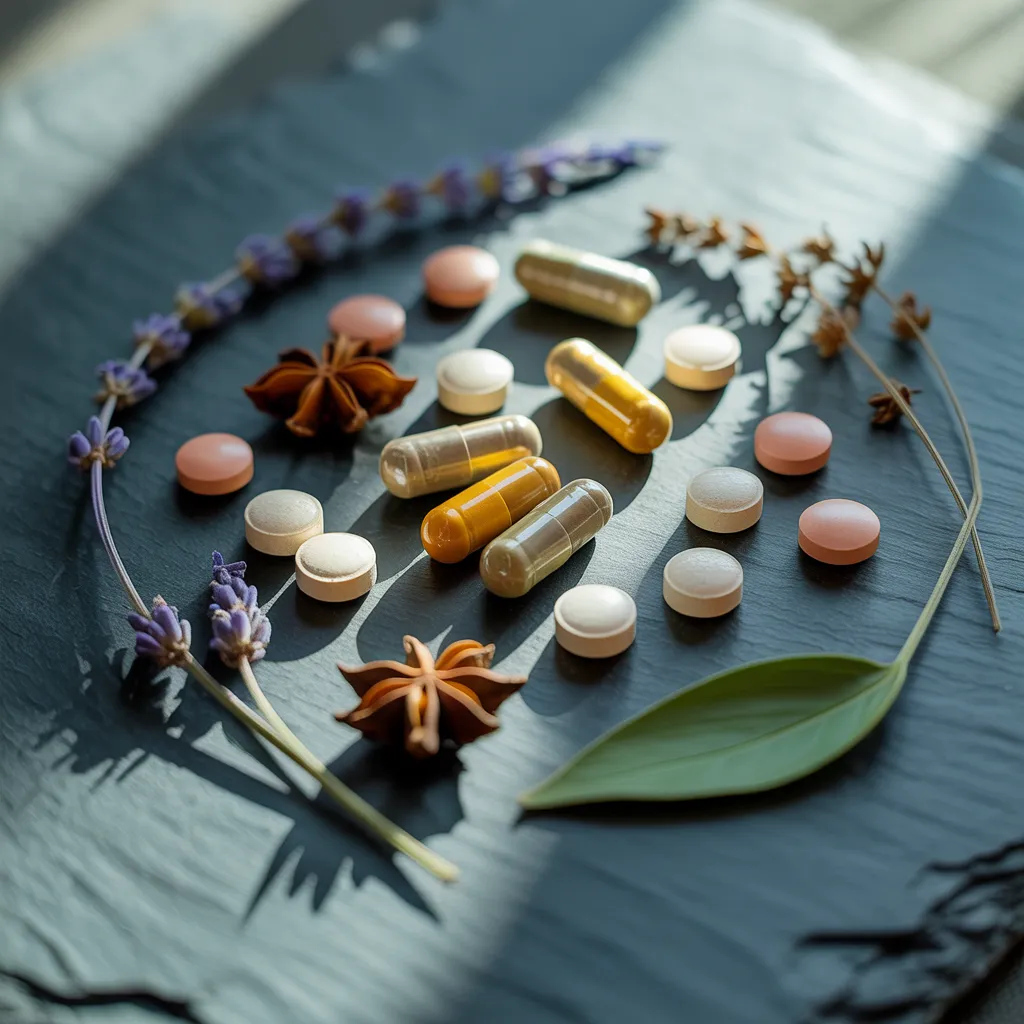
Natural wellness supplements encompass a diverse range of products designed to enhance health and well-being. These supplements typically come from natural origins, encompassing herbs, vitamins, minerals, and additional botanical ingredients. Champions of natural health contend that these supplements can reinforce the body's innate healing processes, elevate immunity, and encourage overall vitality. They are frequently promoted as substitutes or supplements to traditional medicine, attracting those pursuing comprehensive health approaches. Appreciating natural health supplements calls for understanding their potential strengths and limitations, together with the importance of quality control and sourcing practices. Individuals should handle these products with knowledgeable care, understanding that not all supplements are identical and that potency can fluctuate substantially between different brands and formulations.
Common Types of Natural Supplements
Natural supplementation offers diverse options that contribute to overall health and wellness. Typical varieties encompass plant-based treatments that harness natural ingredients, plus vitamins and minerals vital for physiological functions. Additionally, essential fatty acids play a vital role in maintaining overall health, highlighting the diverse nature of natural supplementation.
Herbal Remedies Overview
Natural herbal treatments form a substantial category of natural supplements, offering a varied range of options for people pursuing alternative health solutions. Such treatments typically come from plants and have been employed for generations across different cultures to promote wellness. Popular types include echinacea for immune strengthening, peppermint for digestive health, and chamomile for relaxation. Each herb typically contains active compounds considered to enhance its therapeutic effects. Countless individuals choose herbal remedies for their perceived natural safety and effectiveness, often seeing them as complementary to conventional medicine. However, it's important to approach herbal supplements with caution, as their efficacy can vary, and interactions with prescription medications may occur. Speaking with healthcare professionals before use is advisable for maximum safety.
Essential Vitamins and Minerals
Vitamins and minerals serve a crucial function in maintaining overall health and wellness, complementing the benefits offered by herbal remedies. These essential nutrients are critical for numerous bodily functions, including immune support, energy production, and bone health. Common vitamins, such as A, C, D, E, and the B-complex group, contribute to multiple physiological processes, while minerals like calcium, magnesium, zinc, and potassium are significant for maintaining cellular function and balance. Many individuals may find it challenging to obtain adequate levels of these nutrients solely through diet, contributing to the popularity of supplements. When selecting vitamin and mineral supplements, it is essential to assess individual health needs and consult healthcare professionals to verify proper dosage and avoid potential interactions with other medications.
Important Fatty Acids
Although often overlooked, essential fatty acids (EFAs) play a critical role in preserving excellent health and are regularly available in various natural supplements. These polyunsaturated fats, primarily omega-3 and omega-6 fatty acids, serve vital functions in brain function, cardiovascular health, and inflammation regulation. Omega-3s, found in fish oil and flaxseed oil, are known for their cardiac health advantages and cognitive benefits. In contrast, omega-6s, rich in evening primrose oil and borage oil, promote skin health and hormonal balance. Many people, due to dietary deficiencies, may find value in EFA supplementation to help reduce the risk of chronic diseases. Incorporating these essential fats into nutritional intake can greatly enhance overall well-being and contribute to a balanced nutritional regimen.
Positive Aspects of Organic Supplements for Health
As people progressively pursue comprehensive wellness strategies, the benefits of natural supplements for health have received considerable recognition. These supplements, sourced from plants, minerals, and other natural sources, are often praised for their potential to improve overall well-being. They can offer essential nutrients that may be lacking in modern diets, support immune function, and promote mental clarity. Moreover, natural supplements can help handle stress and boost energy levels, making them desirable for those looking to enhance their quality of context information life. Unlike synthetic alternatives, many individuals view natural supplements as more dependable and more in tune with the body's needs. Eventually, their incorporation into daily routines demonstrates a growing trend towards preventative healthcare and sustainable living practices.
How to Select the Perfect Supplements
Picking the right supplements necessitates thoughtful consideration of personal health needs, as each person's requirements may be different. It is essential to investigate the sources of ingredients to guarantee quality and efficacy. Additionally, consulting a healthcare professional can provide valuable guidance in picking the most suitable products.
Examine Your Health Requirements
How can someone establish which supplements are genuinely needed for their health? The initial step involves a comprehensive evaluation of personal health necessities. This includes evaluating dietary habits, lifestyle factors, and any ongoing medical conditions. Consulting with a healthcare professional can provide beneficial knowledge into specific nutrient needs. Moreover, individuals may profit from tracking their energy levels, immune responses, and overall well-being to identify potential deficiencies. It is important to reflect on age, gender, and activity level, as these factors influence nutritional needs. By understanding individual health priorities, one can make knowledgeable determinations about which supplements to add to their routine, seeing to it that they support rather than complicate their wellness journey.
Research Ingredient Sources
A thorough understanding of ingredient sources is vital when choosing the right supplements. Consumers should emphasize products that list their ingredients openly and provide details on sourcing. Superior supplements often originate from reputable manufacturers that follow Good Manufacturing Practices (GMP). It is essential to research the origin of the ingredients, as those sourced from ethical and sustainable practices tend to offer greater potency and efficacy. In addition, checking for third-party testing can confirm the purity and concentration of active ingredients, making certain that what is claimed on the label reflects the product inside. By being careful in examining ingredient sources, individuals can make educated decisions that align with their health goals and values.
Consult a Certified Expert
When examining the extensive selection of supplements accessible, working with a healthcare professional can provide valuable guidance in determining the most suitable options. Professionals including doctors, nutritionists, or dietitians can analyze individual health needs, analyze existing medical conditions, and consider potential interactions with medications. They can advise specific supplements based on evidence-based research and personal health goals. Moreover, professionals may support determine appropriate dosages and ensure that the chosen supplements are sourced from reputable manufacturers. By pursuing expert advice, individuals can avoid common pitfalls like over-supplementation or ineffective products. Eventually, consultation fosters a more informed approach to natural wellness, maximizing benefits while limiting risks associated with self-directed supplementation.
Risk Factors and Side Effects
Though natural wellness supplements are frequently viewed as safe substitutes to conventional medications, they can still present potential risks and side effects. Some individuals may encounter allergic reactions, gastrointestinal problems, or interactions with prescription medications, which can result in unintended consequences. Moreover, the lack of regulation in the supplement industry means that the quality and concentration of ingredients can vary substantially between products. This inconsistency may result in ineffective dosages or the presence of harmful contaminants. Additionally, certain supplements may not be appropriate for individuals with specific health conditions or those who are pregnant or breastfeeding. As a result, it is vital for consumers to remain alert and informed about the potential risks associated with natural wellness supplements before incorporating them into their health regimen.
Including Supplements To Your Day-to-Day Routine
Incorporating supplements into a daily routine can improve overall wellness, provided individuals approach this process thoughtfully. It is crucial for individuals to evaluate their specific health needs and consult healthcare professionals before beginning any supplement regimen. Establishing a consistent schedule, such as taking supplements at the same time each day, can help promote adherence. Taking supplements with meals may enhance absorption and decrease gastrointestinal discomfort. Furthermore, keeping a journal to track progress and any side effects can assist in evaluating their effectiveness. It is important to remain open to adjustments, as individual responses to supplements can differ. By adopting these practices, individuals can maximize the benefits of natural wellness supplements while promoting a balanced and health-conscious lifestyle.
Frequently Asked Questions
May Natural Supplements Affect Prescription Medications?
Certainly, natural supplements can interact with prescription medications. These interactions may modify the effectiveness of the medications or increase the potential of side effects, making it essential for individuals to consult healthcare professionals before combining them.
How Soon Can You Expect Results From Supplements?
Results from supplements vary widely, generally needing anywhere from a few days to several weeks. Personal factors such as metabolic function, the kind of supplement, and overall wellness can determine how quickly one may notice effects.
Do Age Restrictions Apply to Natural Wellness Supplements?
Natural wellness supplements typically don't have strict age restrictions; however, consulting healthcare professionals is advised for children and elderly individuals before use. Particular health circumstances may call for specific recommendations or precautions about supplementation.
Is It Safe to Take Multiple Supplements Simultaneously?
Using multiple supplements at the same time can be risk-free, provided they do not conflict with each other. Seeking advice from a healthcare professional is advisable to ensure appropriate dosing and circumvent likely adverse effects or nutrient imbalances. Caution is recommended.
How Should I Properly Store My Natural Supplements to Maintain Their Potency?
Natural supplements should be stored in a cool and dry area out of direct sunlight and moisture. Proper storage helps preserve their potency, ensuring the supplements remain effective for their intended health benefits.