Essential Guide to Preparing Thick Greek Yogurt at Home By Using a Yogurt Strainer
The process of making thick Greek yogurt at home provides both culinary satisfaction and health benefits. With just a few essential ingredients and a reliable yogurt strainer, anyone can create a creamy texture and rich flavor. However, the journey to perfect homemade yogurt requires careful steps and techniques. Understanding these nuances can enhance the experience and results. What follows is an comprehensive guide that outlines everything needed to master this skill.
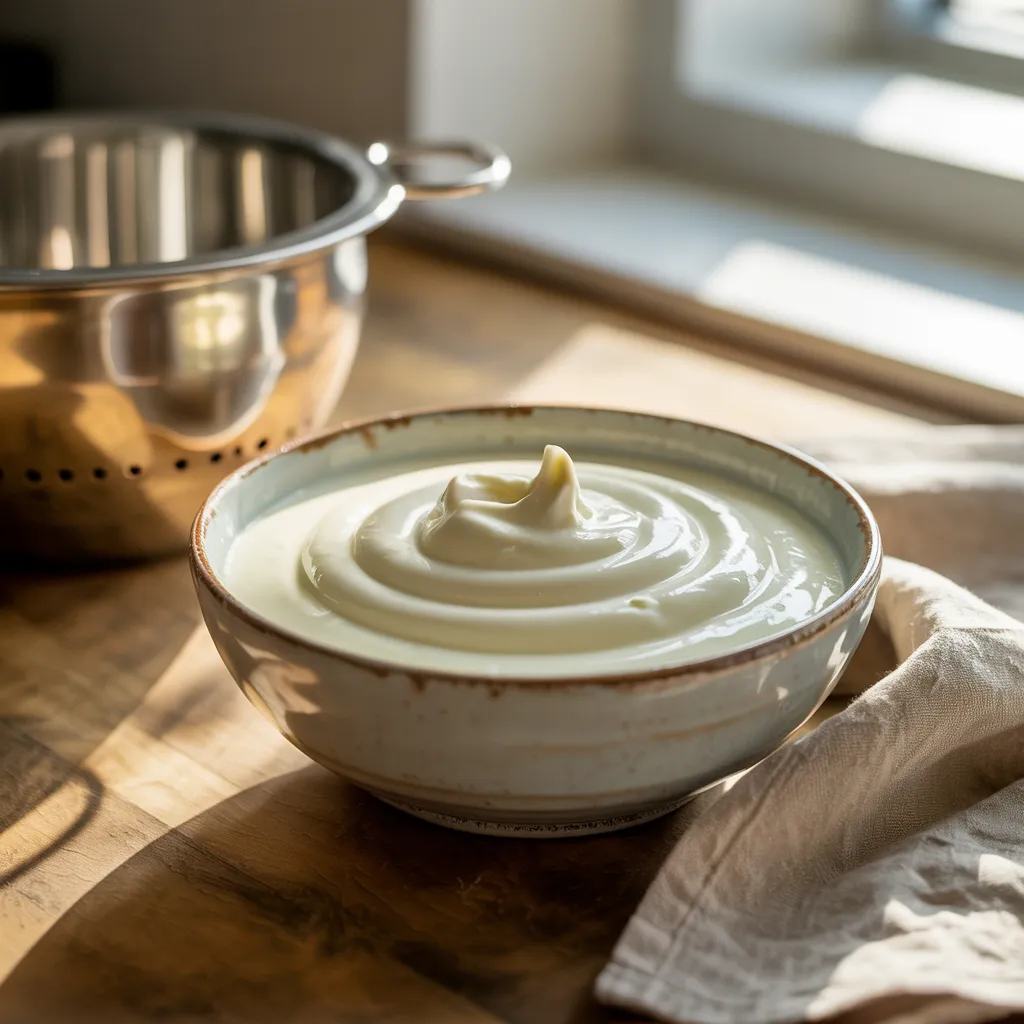
Why Should You Make Greek Yogurt at Home?
Many home cooking enthusiasts find that crafting Greek yogurt at home provides a rewarding experience. This culinary undertaking not only provides complete control over the ingredients but also accommodates personal taste preferences. By crafting yogurt at home, individuals can eliminate the additives and preservatives frequently found in store-bought options, promoting a healthier lifestyle. Additionally, homemade Greek yogurt often delivers superior freshness and flavor, elevating the overall satisfaction of various dishes.
The process can also be cost-effective, as buying ingredients in larger quantities creates many servings, cutting expenses long-term. Furthermore, preparing Greek yogurt develops a sense of accomplishment, as culinary enthusiasts may try different techniques and fermentation durations to attain their desired thickness and tanginess. This hands-on approach promotes culinary creativity, making it an attractive option for those looking to improve their cooking skills and relish delicious, nutritious yogurt customized to their preferences.
Key Ingredients for Homestyle Greek Yogurt
Creating thick Greek yogurt at home calls for a few key ingredients that help create its rich texture and tangy flavor. The main ingredient is premium milk, with whole milk being favored for its creaminess. Alternatively,, low-fat milk can be used, but it may result in a thinner yogurt. The next essential component is a yogurt starter, which has live active cultures. This starter can be shop-bought plain yogurt or a specific yogurt culture packet designed for homemade yogurt.
Additionally, some recipes call for heavy cream to improve the creaminess and thickness of the final product. A yogurt strainer or cheesecloth is also required to separate the whey, concentrating the yogurt and achieving that signature Greek consistency. These ingredients combined provide the foundation for delicious homemade Greek yogurt, facilitating customization and experimentation with flavors and add-ins.
Step-by-Step Guide to Making Greek Yogurt
To successfully make Greek yogurt at home, you need to follow a series of uncomplicated steps that guarantee a thick and creamy final product. First, heat milk in a saucepan until it reaches around 180°F, then allow it to cool to 110°F. This process guarantees that unwanted bacteria are eliminated and readies the milk for fermentation. Next, add a yogurt starter to the cooled milk, stirring gently to combine. Wrap the mixture and place it in a warm environment for roughly 6 to 12 hours, allowing the yogurt to ferment. After fermentation, the yogurt should be thick and tangy. To achieve the desired Greek yogurt texture, strain the yogurt using a fine mesh strainer or cheesecloth over a bowl, allowing excess whey to drain for several hours. Finally, transfer the strained yogurt to a container, refrigerate, and indulge in the homemade Greek yogurt in multiple dishes or as a snack.
How to Pick the Top Yogurt Strainer for Creamy Greek Yogurt?
How do you pick the most appropriate yogurt strainer for producing thick Greek yogurt? To start, consider the material; options include fine mesh nylon, stainless steel, and cheesecloth. Each material presents different filtration capacities, influencing the yogurt's final texture. Furthermore, the size and shape of the strainer are crucial. A larger strainer can hold more yogurt at once, while a bowl-shaped design permits better drainage.
Cleaning convenience is another crucial consideration; removable mesh components or dishwasher-safe materials can simplify the cleanup process. The durability of the strainer also matters, since regular usage can cause wear and tear. Moreover, customer testimonials reveal important details about durability and effectiveness. By considering these factors, you can confidently select a yogurt strainer that produces thick, creamy Greek yogurt, enhancing their home yogurt-making experience.
Understanding the Straining Technique for Perfect Thickness
Achieving the perfect thickness in Greek yogurt hinges on mastering the straining technique. This process commences by choosing an appropriate yogurt strainer that enables optimal drainage. Once the yogurt is made, it must be poured into the strainer, providing an even distribution. It is crucial to cover the yogurt with a clean cloth to stop contamination and maintain temperature. The straining duration differs based on the desired thickness; typically, two to four hours produces a creamy consistency, while longer straining can result in a denser texture. Watching the yogurt during this time helps achieve the ideal thickness without over-straining, which may result in a crumbly product. After the straining process, gently transfer the yogurt to a storage container, taking care to preserve its smooth texture. Mastering these steps ensures a consistently thick and rich Greek yogurt, excellent for various culinary uses.
How to Add Flavor and Serve Your Greek Yogurt
Although plain Greek yogurt offers a rich and creamy base, introducing flavors can boost its flavor profile and adaptability. Individuals can enrich their yogurt by adding various sweeteners, like honey, maple syrup, or agave nectar, to create a wonderful balance of sweetness. Fresh and dried fruits, like berries, bananas, or peaches, can also be mixed in for added flavor and nutrition.
For individuals who enjoy a savory variation, ingredients such as minced garlic, chopped herbs, or a sprinkle of salt can convert Greek yogurt into a flavorful dip. Furthermore, spices including cinnamon or nutmeg can bring warmth and depth.
Serving suggestions include matching flavored yogurt with granola for breakfast, using it as a base for smoothies, or placing it onto pancakes. With endless combinations at hand, the options for flavoring and serving Greek yogurt are virtually endless, making it a adaptable addition to any meal or snack.
Common Issues and Their Solutions for Home-Prepared Greek Yogurt
Enhancing homemade Greek yogurt can create delightful variations, but sometimes the yogurt-making process in itself can present challenges. A common issue is insufficient thickness, which may result from using low-fat milk or not straining the yogurt long enough. To fix this, one can select whole milk or increase the straining time. Another typical problem is a grainy texture, often caused by overheating the milk. Making sure that the milk is heated gently and cooled to the appropriate temperature before adding the starter culture can help achieve a smooth consistency. Additionally, if the yogurt fails to set, it may be due to an inadequate amount of starter or incorrect incubation temperature. Using a reliable thermometer and making sure the starter is fresh can better results. Finally, unwanted flavors or odors may indicate contamination; maintaining clean equipment is essential for preventing this issue.
Questions & Answers
How Long Does Homemade Greek Yogurt Keep in the Fridge?
Homemade Greek yogurt typically lasts about one to two weeks in the refrigerator when take the first step stored properly in an airtight container. The freshness is identifiable by its scent and how it looks, ensuring quality is maintained during storage.
Is It Possible to Use Non-Dairy Milk for Making Greek Yogurt?
Yes, plant-based milk can be utilized to produce Greek yogurt, though the final product may differ. It's crucial to choose a plant-based alternative that has added protein or thickeners for the best texture and consistency.
Is It Safe to Reuse Yogurt Starter Multiple Times?
It's typically safe to use yogurt starter repeatedly. Nevertheless, each subsequent use may reduce its potency, potentially impacting both texture and taste of the yogurt. Fresh starter is recommended for ideal results.
What Is the Best Temperature for Incubating Yogurt?
The ideal temperature for culturing yogurt is between 110°F to 115°F (43°C to 46°C). This range encourages optimal bacterial activity, producing a smooth and flavorful yogurt while preventing undesirable bacteria growth. Temperature stability is essential for success.
Can I Store Homemade Greek Yogurt in the Freezer for Later?
Absolutely, homemade Greek yogurt can be frozen for subsequent use. Nevertheless, its texture may alter, becoming slightly grainy after thawing. It is advised to consume it within two months for ideal flavor and quality.